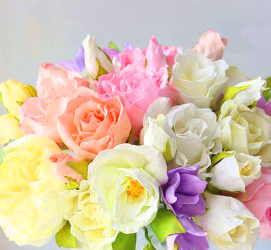
Real Stories: Bringing Colour to [NEIGHBOURHOOD] Homes with Flowers
Posted on 21/11/2025
Real Stories: Bringing Colour to [NEIGHBOURHOOD] Homes with Flowers
There's a particular kind of joy that slips in when you open your door and see a burst of living colour. A pot of coral geraniums on the step. A trailing cascade of lobelia catching morning light. The faint, honeyed scent of lavender brushing your sleeve as you pass. We've seen it first-hand, time and again: flowers transform homes--and the people who live in them. In this long-form guide, we share real stories and practical steps to bring lasting colour to [NEIGHBOURHOOD] homes with flowers. We'll cover what works in small urban spaces, how to plan a planting palette that sings, UK-specific compliance you should know, and dozens of expert tips from the ground up.
Truth be told, the difference is often immediate. A tired terrace wakes up. A shaded balcony becomes a sanctuary. And, let's face it, a cheerful front step can lift your mood even on a drizzly Tuesday in March. Below, you'll find a friendly, expert roadmap--built on experience, grounded in UK know-how, and peppered with human moments from real homes. Ready to add colour to your life?
Table of Contents
- Why This Topic Matters
- Key Benefits
- Step-by-Step Guidance
- Expert Tips
- Common Mistakes to Avoid
- Case Study or Real-World Example
- Tools, Resources & Recommendations
- Law, Compliance or Industry Standards (UK-focused)
- Checklist
- Conclusion with CTA
- FAQ
Why This Topic Matters
In a busy city or a tightly packed suburb, colour isn't just decoration--it's a lifeline. Bringing colour to [NEIGHBOURHOOD] homes with flowers boosts wellbeing, encourages biodiversity, and makes streets feel safer and more cared for. Research from the Royal Horticultural Society (RHS) has long linked gardens to improved mental health and stress reduction, while Defra's nationwide pollinator strategy highlights how flower-rich planting supports bees and other beneficial insects. That's the big picture.
On a personal level, the impact is wonderfully ordinary. A client in [NEIGHBOURHOOD] told us that watering her balcony pots became the calmest ten minutes of her day. Another confessed he started leaving for work five minutes early just to walk the long way past the neighbour's hollyhocks. Small moments, big shift. You'll notice it too.
There's also the practical side. UK homes often contend with compact plots, shade from terraces or plane trees, and increasingly variable weather. Flowers designed for these realities--heat-tolerant pelargoniums, shade-lovers like impatiens, late-season stars such as asters--can keep colour rolling month after month. Real Stories: Bringing Colour to [NEIGHBOURHOOD] Homes with Flowers isn't simply about pretty pictures; it's about smart, resilient choices that fit your street and your life.
And a small aside: it was raining hard outside that day when we finished a tiny front-garden makeover. The new cosmos looked like they were clapping in the downpour. Owner's grin said it all.
Key Benefits
Why commit to a flower-forward home? Here's what you'll gain.
- Immediate kerb appeal: Bright, tidy planting enhances first impressions. Estate agents often note that well-kept gardens improve perceived value and viewing interest.
- Year-round mood lift: From bold summer pots to winter pansies with hellebores, colour sustains morale during grey spells. Clean, clear, calm. That's the goal.
- Urban biodiversity: Pollinator-friendly flowers--lavender, salvia, verbena--offer nectar highways for bees and butterflies in hard-working neighbourhoods.
- Smart use of small spaces: Containers, window boxes, and vertical planters turn balconies and narrow frontages into living tapestries.
- Climate resilience: Mix of drought-tolerant, shade-adapted, and wind-hardy plants helps your space handle UK weather swings.
- Privacy and soft screening: Flowering climbers like clematis or jasmine add colour while softening sightlines.
- Scented welcome: Fragrant choices (sweet peas, lavender, night-scented stock) transform the everyday--just a breath and you're somewhere lovely.
- Community ripple effect: One colourful frontage often inspires the next. Streets bloom. Spirits lift. It happens more than you'd think.
To be fair, flowers alone won't fix everything. But they nudge the day in the right direction. That's worth a lot, especially now.
Step-by-Step Guidance
Here's a clear roadmap for bringing colour to [NEIGHBOURHOOD] homes with flowers. Whether you're tackling a small balcony or a full front garden, this stepwise plan covers the essentials--with local realities in mind.
-
Assess your space honestly.
- Light: Track sun for a few days--full sun (6+ hours), partial (3-6), or shade.
- Exposure: Is it windy, especially on upper floors? Are you exposed to road salt or pollution?
- Access & safety: Can you water easily? Safe ladder use for window boxes? Consider a small can rather than a heavy hose for upstairs.
- Restrictions: Leasehold rules, conservation areas, or shared entrances may limit fixtures and overhangs.
-
Choose a colour story.
- Pick 2-3 core colours and one accent. For calm: blues, whites, silvers. For energy: reds, oranges, hot pinks.
- Consider building materials; London brick warms to apricot and magenta, while cool-rendered facades love blue and white.
-
Select plants for your microclimate.
- Sunny: Geranium (pelargonium), calibrachoa, osteospermum, salvia, verbena bonariensis.
- Shady: Impatiens, begonia, heuchera, ferns with seasonal colour pops, hydrangeas in larger containers.
- Windy balconies: Compact lavenders, dwarf conifers with seasonal bedding, trailing ivy-leaved pelargoniums.
- Low-maintenance perennials: Erysimum 'Bowles's Mauve', hardy geraniums, echinacea, helenium, asters.
- Winter interest: Hellebores, pansies/violas, cyclamen coum, skimmia, dwarf conifers, evergreen grasses.
-
Pick the right containers and compost.
- Use peat-free compost in line with UK sustainability goals; it's better for peatland habitats.
- Ensure containers have drainage holes. Add crocks or coarse grit to prevent clogging.
- Go bigger than you think--larger volumes hold moisture longer and support stronger roots.
- Self-watering planters help if you travel often or manage communal spaces.
-
Prepare the site.
- Clear weeds and old soil. If replacing, use quality topsoil (look for compliance with BS 3882) and mix with compost.
- For balconies, check weight limits; wet compost is heavy. When in doubt, spread loads across the structure.
-
Plant with structure in mind.
- Arrange tall or structural plants at the back (or centre in round pots), fillers in the middle, trailers at the edges.
- Plant in odd numbers--3s and 5s--for a natural look.
- Water thoroughly after planting, then mulch surface to retain moisture.
-
Water and feed properly.
- Water early morning or evening to reduce evaporation.
- Feed weekly in summer with a balanced liquid fertiliser for containers; slow-release granules in beds save time.
- In heatwaves, check twice daily, especially for hanging baskets.
-
Plan seasonal succession.
- Spring bulbs (tulips, daffodils, muscari) followed by summer annuals (petunias, dahlias), then autumn asters and winter pansies.
- Layer bulbs by depth in pots for staggered blooming--tulips deep, then narcissus, then crocus or muscari near the top.
-
Keep it tidy.
- Deadhead spent flowers weekly to prolong blooming.
- Trim leggy growth mid-summer; refresh top layer of compost in long-season containers.
- Rotate pots seasonally so the best displays meet the street.
-
Budget smartly.
- Mix long-lived perennials (value over years) with a few showy annuals each season.
- Buy small plants; they establish quickly and save money.
- Share cuttings or seed swaps with neighbours. Community builds colour, and colour builds community.
-
Mind wildlife and neighbours.
- Choose pollinator-friendly varieties where possible; avoid spraying during flower or when bees are active.
- Keep shared paths clear; ensure hanging baskets are secure and won't drip onto passers-by.
Ever tried clearing a room and found yourself keeping everything "just in case"? The same happens with plants. Be brave. Keep your colour story tight, and your space will feel bigger and brighter.
Expert Tips
- Colour theory in practice: Harmonise with your brick, stone, or paint. Warm bricks pop with coral, magenta, and orange; cool greys benefit from blues, purples, and crisp white.
- Choose single flowers for pollinators: Double blooms can be less accessible. Simple, nectar-rich forms keep bees busy.
- Think in layers and heights: Use climbers (clematis, jasmine) for vertical colour, mid-height perennials for continuity, and short-lived annuals as the seasonal fireworks.
- Succession planting calendar: Plan for at least three waves--spring bulbs, early summer perennials, late-summer/early autumn annuals--so there's always something cheering you on.
- Hydration hacks: Mulch reduces evaporation in beds; capillary matting keeps window boxes moist. During hosepipe bans, greywater from rinsing veg can give a lifeline to thirsty pots (avoid salted/soapy water on edibles).
- Soil health is colour health: Add compost each season; a small handful of slow-release fertiliser in spring pays back in blooms.
- Wind-proofing: Cluster pots and use low, wide planters on exposed balconies. A discreet trellis can break gusts and protect petals.
- Scent timing: Place night-scented stock or nicotiana near evening seating; sweet peas by a sunny path for morning perfume.
- Peat-free and proud: Modern peat-free blends are excellent. Water attentively at first; they often need slightly different wet/dry cycles.
- Pest strategy, not panic: Encourage ladybirds, lacewings, and birds. Use physical barriers for slugs (copper tape, wool pellets) before reaching for chemicals.
- RHS hardiness ratings: Match plants to UK microclimates using the RHS H1-H7 scale; it saves heartbreak after cold snaps.
- Photograph your space each season: Note what worked and what didn't. You'll be amazed how much easier next year's colour planning becomes.
One more thing--don't aim for perfect. Aim for joyful. A slightly wonky planter bursting with blooms beats a pristine, empty step every single time.
Common Mistakes to Avoid
- Overcrowding containers: Plants need space. Cramming leads to stress, fewer blooms, and more disease.
- Mixing thirsty and drought-tolerant species in the same pot: Their needs clash; somebody suffers.
- Skipping drainage: Without holes, roots suffocate. No exceptions.
- Watering on a strict schedule, not by need: Check compost with your finger. If it's dry knuckle-deep, water. If not, wait.
- Ignoring aspect: Shade-lovers will sulk in hot sun, and sun-worshippers won't bloom in deep shade.
- Neglecting winter colour: Pansies, hellebores, and evergreen structure stop the space from feeling abandoned.
- Going heavy on double-blooming ornamentals: They can look lush but sometimes offer little nectar; balance with pollinator-friendly picks.
- Forgetting security: In busy streets, use heavy pots or discreet cable ties to deter opportunistic lifting.
Yeah, we've all been there--buying half the garden centre because it's all beautiful. Deep breath. Edit the palette, amplify the impact.
Case Study or Real-World Example
We've worked across many streets in [NEIGHBOURHOOD], from compact balconies to terraced front gardens. These real-world stories show how a little intention delivers a lot of colour.
1) The Windy Fourth-Floor Balcony
The challenge: A south-west facing balcony battered by wind, with containers drying out quickly. The owner wanted bold, long-lasting colour without daily watering.
The fix: We chose dwarf lavender, osteospermum, ivy-leaved pelargoniums, and trailing nepeta. Self-watering planters reduced maintenance. A slim trellis softened crosswinds.
The result: By early June, the palette sang--purples, whites, and bursts of coral. The owner texted a photo at sunset: "It's like the balcony is glowing." You could almost hear the evening quiet.
2) The Shady Victorian Front Step
The challenge: North-facing doorway with only dappled light and frequent foot traffic.
The fix: We used begonia, heuchera (lime and burgundy), and white impatiens in large, weighted planters. A pair of evergreen ferns added texture. Motion-sensor lighting made the colour pop at night.
The result: A gentle, restful scheme. The neighbour upstairs said, "I didn't know shade could look this bright." A quiet win.
3) The Rental with Rules
The challenge: No permanent fixtures allowed, and the tenant wanted seasonal colour that can move flat when they do.
The fix: Modular troughs, stackable planters, and hanging baskets attached with removable hooks (landlord approved). Spring bulbs layered under summer annuals for double duty.
The result: Portable joy. When they moved two streets over, the flowers came too. Not a single bloom left behind.
4) The Tiny Terrace That Wanted Year-Round Colour
The challenge: A small, exposed front garden needing interest in every season.
The fix: Evergreen backbone (dwarf pittosporum, hebe), spring bulbs, summer salvia and dahlias, autumn asters, and winter hellebores. Mulch for water retention; drip line for heatwaves.
The result: Something to smile at, month after month. Even in February, the hellebores nodded as if to say, "We've got this."
These are the kinds of moments we mean by Real Stories: Bringing Colour to [NEIGHBOURHOOD] Homes with Flowers. Small spaces. Big feelings. Lasting colour.
Tools, Resources & Recommendations
Kit and knowledge make the difference between muddling through and a display that truly sings.
Essential Tools
- Hand trowel and fork
- Secateurs (sharp, clean blades protect plant health)
- Watering can with a rose, or a hose with a trigger gun
- Gloves and a kneeling pad
- Sturdy step stool or ladder for window boxes (used safely)
- Measuring jug for liquid feed
- Heavy-duty pot feet or stands to improve drainage
Recommended Materials
- Peat-free composts suited to containers; consider blends with bark for drainage.
- Slow-release fertiliser for sustained feeding.
- Mulch (composted bark, leaf mould) to reduce watering.
- Capillary matting for window boxes to buffer watering gaps.
- Sturdy planters with drainage holes; self-watering options for busy weeks.
Plant Picks for Reliable Colour (UK-friendly)
- Sunny stars: Pelargonium, calibrachoa, diascia, osteospermum, verbena, salvia, gaura.
- Shade heroes: Begonia, impatiens, heuchera (colourful foliage), hydrangea (larger pots), fuchsia.
- Winter cheer: Hellebores, cyclamen, skimmia, pansies/violas, evergreen grasses.
- Pollinator magnets: Lavender, nepeta, echinacea, scabiosa, cosmos, erysimum.
- Bulb layers: Tulips, narcissus, crocus, muscari, alliums for spring fireworks.
Trusted Knowledge & Guidance
- RHS advice (gardening in a changing climate, plant hardiness ratings, and Plants for Pollinators).
- Local council pages for conservation area guidance and street-front planting rules.
- Water company updates on hosepipe restrictions in dry spells.
- Wildlife trusts for pollinator-friendly gardening and pesticide alternatives.
There's a lot out there. Start small. Learn your space. Your flowers will tell you what they need--if you look closely.
Law, Compliance or Industry Standards (UK-focused)
We want colour, yes--but also safety, sustainability, and kindness to neighbours. A few UK essentials when greening homes in [NEIGHBOURHOOD]:
- Peat-free policy and sustainability: The UK has moved to end the sale of peat for amateur gardeners, protecting peatland carbon stores and biodiversity. Choose peat-free composts.
- Wildlife and Countryside Act 1981: Protects nesting birds and certain species. Avoid hedge cutting where birds nest (typically March-August). Do not disturb active nests.
- Invasive species handling: Japanese knotweed and certain invasives require careful disposal. Follow government guidance; never compost invasive plant waste.
- Tree Preservation Orders (TPOs) & Conservation Areas: Check with the local council before pruning protected trees or substantial shrubs.
- Pesticides and biocides: Use products approved for domestic use and follow label instructions. Consider non-chemical methods first, especially around pollinators.
- Waste disposal: Green waste should be composted or disposed of via council-approved routes. If using a contractor, ask for a waste carrier licence number and a waste transfer note.
- Public safety: Ensure planters on shared pavements do not obstruct access (Equality Act considerations) and are secured against toppling.
- Water use: Observe hosepipe bans or temporary use restrictions. Water efficiently--early or late--and collect rainwater where possible.
- Electrical safety outdoors: Use RCD-protected sockets and IP-rated fittings for any garden lighting.
- Planning permission: Most containers need none, but new walls, fences over certain heights, or hardstandings may require consent; always check local rules.
It's not about red tape for the sake of it. It's about keeping neighbours safe, wildlife thriving, and your beautiful display on the right side of the rules.
Checklist
Quick, practical, and ready to use. Print this and tick along.
- Select 2-3 core colours + 1 accent
- Map sun and shade in your space
- Choose peat-free compost and the right-sized containers
- Pick plants matched to light, wind, and watering habits
- Include at least one pollinator-friendly flower per container
- Layer seasonal interest--spring bulbs, summer annuals, winter structure
- Set up watering plan: can, hose, or self-watering planters
- Feed plants regularly (slow-release + weekly liquid in summer)
- Deadhead weekly, trim leggy growth, refresh compost surface
- Secure pots, avoid blocking paths, and keep entrances tidy
- Check any local rules, especially in conservation areas
- Photograph your display each season to refine next year
Ever stood back and thought, "That's it--that's the feeling"? This checklist gets you there faster.
Conclusion with CTA
Colour changes more than walls and windows. It warms the welcome, slows the rush, and, in its gentle way, reminds you that home is alive and looking out for you too. From the smallest sill box to a front garden alive with bees, the stories from [NEIGHBOURHOOD] prove it: flowers make spaces feel loved.
Whether you want a low-fuss balcony that blossoms from April to October or a four-season plan that never looks bare, you now have the blueprint. Start with one pot. Then another. Before long, your doorway will greet you like an old friend.
Get a free quote today and see how much you can save.
And when you open the door tomorrow morning--just pause a second. Let the colour meet you. Let it linger.
FAQ
How do I keep colour going from spring to winter in [NEIGHBOURHOOD]?
Plan for succession. Use spring bulbs (tulips, daffs), summer annuals (pelargoniums, petunias), late-season performers (asters, dahlias), and winter structure (hellebores, pansies, evergreen grasses). Refresh the top layer of compost and feed regularly to keep momentum.
What flowers are best for a shady doorstep?
Begonias, impatiens, heuchera (for colourful foliage), ferns, and hydrangeas in larger pots perform well. Add white blooms to brighten darker corners--white impatiens can look luminous at dusk.
Can I use flowers to help pollinators without inviting pests?
Yes. Choose nectar-rich singles (lavender, salvia, cosmos). Encourage natural predators like ladybirds with habitat and avoid chemical sprays during bloom. Good hygiene--deadheading and removing debris--reduces pest pressure.
How often should I water containers in summer?
Check daily in warm weather; water when the top few centimetres are dry. Early morning or evening is ideal. Hanging baskets may need water twice a day during heatwaves. Self-watering planters can bridge busy periods.
What's the easiest colour scheme for beginners?
Pick two cool tones (blue/purple) and one neutral (white/silver) for calm reliability. Or two warm tones (orange/coral) with white. Limiting your palette makes arranging plants far easier and the display more cohesive.
Do I need special compost?
Use quality peat-free multipurpose compost for most flowering annuals. For long-term perennials in pots, mix in bark or grit for drainage. Refresh the top 2-3 cm each season and add slow-release fertiliser in spring.
Are there low-allergen flowers I can use?
Look for plants with lower pollen dispersal or heavier pollen: pelargoniums, begonias, fuchsias, roses with tight double blooms (though double forms can be less pollinator-friendly), and many bedding annuals. Always test tolerance personally--sensitivities vary.
What if I rent and can't fix anything permanently?
Use modular, portable containers, troughs, and freestanding trellises. Window boxes with strap fixtures and hanging baskets on removable hooks can often be installed without drilling--always check your tenancy agreement first.
Which flowers survive wind on upper-floor balconies?
Compact lavender, ivy-leaved pelargoniums, calibrachoa, euphorbia 'Diamond Frost', and hardy herbs (thyme, rosemary) do well. Choose sturdy, wide planters and cluster them to reduce wind stress.
When should I plant bulbs and bedding in the UK?
Plant spring bulbs in autumn (September-November). Summer bedding typically goes out after last frost (late April to May, depending on your region). Winter bedding like pansies can go in autumn for colour through the colder months.
How do I stop slugs eating everything?
Use physical barriers like copper tape on pots, wool pellets around susceptible plants, and beer traps. Encourage predators (frogs, birds). Choose less palatable plants like ferns, euphorbia, and many herbs. Avoid metaldehyde pellets; seek wildlife-friendly options.
What's a cost-effective way to get a big colour impact?
Buy smaller plants, grow some from seed (cosmos, calendula, sweet peas are generous), and focus colour at eye level--front door, steps, railings. Mix long-lived perennials with a few high-impact seasonal annuals to stretch the budget.
How do I feed containers for best blooms?
Add slow-release fertiliser at planting and top up with a balanced liquid feed weekly in summer. Avoid overfeeding in low light; you'll get leafy growth rather than flowers. Always water before feeding to prevent root scorch.
Is peat-free compost really good enough?
Modern peat-free mixes are excellent. They may dry out or wet differently, so adjust watering accordingly. They support UK sustainability efforts by protecting peatlands, which are vital carbon stores.
Can I keep some colour during winter?
Absolutely. Use pansies/violas, cyclamen, skimmia, heuchera, and hellebores. Add evergreen structure and textured foliage. A simple string of warm, IP-rated lights can make winter planters feel festive and welcoming.
How do I avoid blocking the pavement with planters?
Leave clear access widths (ideally 1.2m or more on busy paths) and secure planters against tipping. Keep displays within your boundary if pavements are narrow, and check local guidance in conservation areas.
Still thinking it over? Start with one pot by the door. See how it feels for a week. You'll see why so many neighbours keep going--one bright bloom at a time.


Latest Posts
Real Stories: Bringing Colour to [NEIGHBOURHOOD] Homes with Flowers
Eco-Friendly Flower Sourcing in [AREA]: Sustainable Blooms in 2024
Caring for Cut Flowers: A Guide to Fresh Blooms
Discover Your Birth Flower: Uncover Its Unique Message About You